
What nobody tells you about the cost-per-wear calculation
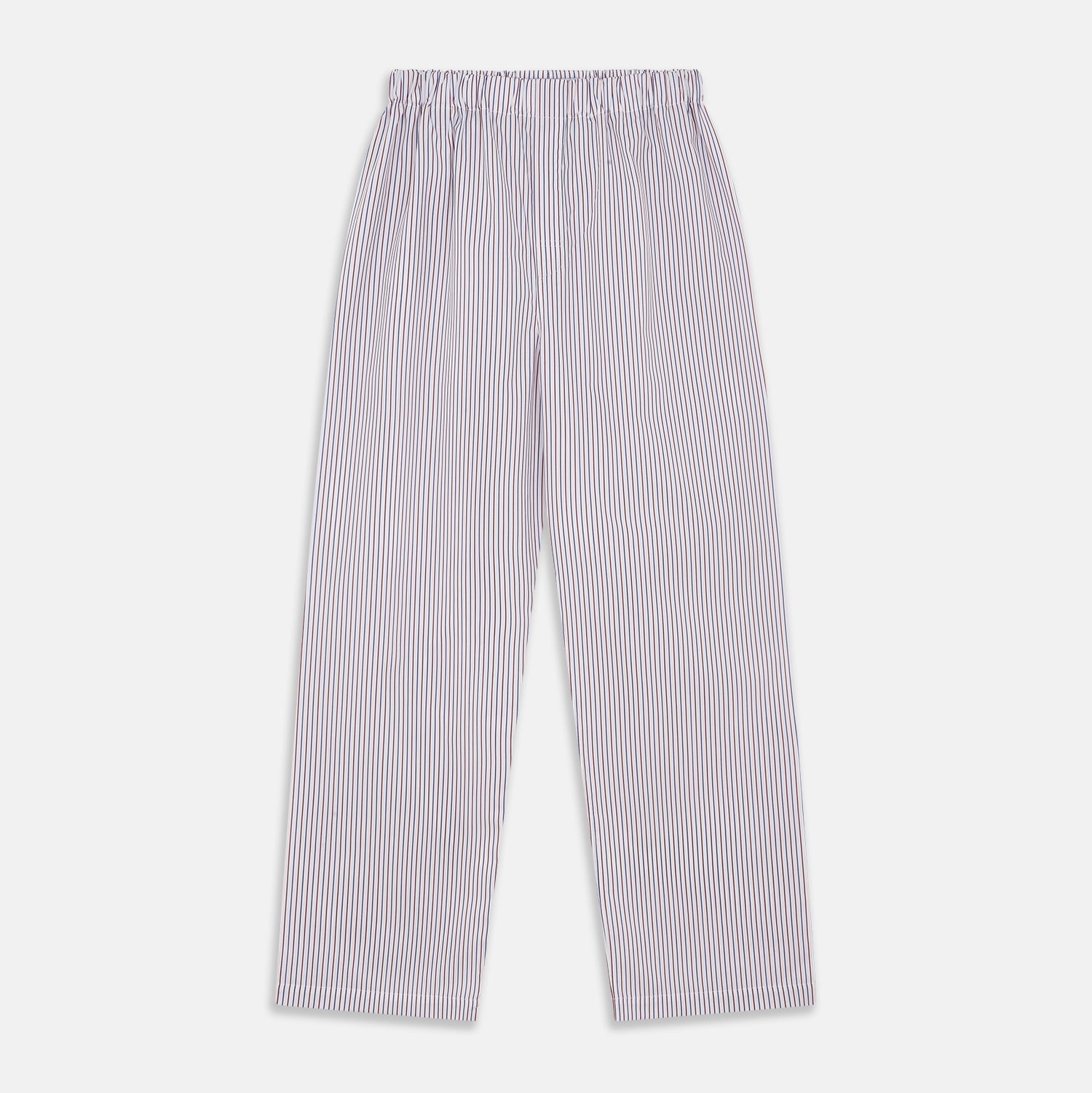
The cost-per-wear argument has been made so many times it has become a reflex. Someone defends a $300 purchase. Someone else nods. The shirt costs $0.50 a wear over five years. The maths checks out. The conversation ends.
Except the formula almost everyone uses is missing four variables. And those missing variables are exactly what determines whether the purchase was actually smart.
The four variables it ignores
The body change variable. A suit that fits at 28 may not fit at 35. Trousers cut for your body in one decade often do not work in the next. Pieces with real seam allowance survive this. Slim-cut pieces with nowhere to go do not.
The discontinuation risk. Brands quietly drop fits, fabrics, and colorways all the time. The Oxford you have worn for years gets updated with a new collar roll and a slightly different cut. You cannot replace it with itself.
The repair cost variable. A $300 shirt that costs $40 to re-collar is still a good investment. A $60 shirt that cannot be repaired because the fabric is too thin is not.
The resale variable. A Taylor Stitch Utility Shirt in good condition resells for 40 to 60 percent of retail on Grailed. A fast-fashion shirt does not resell at all.
Taylor Stitch Utility Shirt in Worn Blue Denim
$168
Same logic applies to outerwear. A Filson Mackinaw Cruiser bought in 2015 still sells for 60 percent of its original price. It is made from boiled wool that can be spot-cleaned, and Filson will repair it.
Filson Mackinaw Cruiser
$395
"The formula assumes you will wear the shirt. It assumes it will fit. It assumes the brand will still make it when you need another one."
The honest version of the calculation
A revised cost-per-wear is not a more complicated formula. It is four questions to ask before buying. Can this be repaired? Does this brand keep the same product available? Does this fit my actual life? Could I sell it if I needed to?
A $250 coat that answers yes to all four is a fundamentally different purchase than one that answers no to three.
"The best purchase is not the cheapest per wear. It is the one you will still reach for in ten years."
Where it works and where it does not
Cost-per-wear works best for outerwear and footwear. A coat worn daily for six months clocks hundreds of wears over a decade. A Mephisto Ranger boot is a forty-year purchase if you want it to be.
Mephisto Ranger in Dark Brown
$395
It works worst for trousers and anything trend-adjacent. For basics you replace in multiples, buy fewer and better. The Buck Mason Slub Cotton Crew is $48 and lasts two to three years of real use. The $15 version lasts six months.
Buck Mason Slub Cotton Crew Tee
$48